
Evaluating the Role of Community Participation and Behavioural Change in Strengthening Solid Waste Governance in Andhra Pradesh
- Author (s) Ujjwal Ashutosh

Table of Contents
Abstract
Rapid urbanization and changing consumption patterns have intensified solid waste management (SWM) challenges in Andhra Pradesh, India. Despite policy reforms and investments in infrastructure, local governments continue to face difficulties related to waste segregation, collection efficiency, treatment capacity, and environmentally sound disposal. These challenges are not solely technical; they are strongly influenced by social behavior, public awareness, and the extent of community involvement. Increasing evidence suggests that effective solid waste governance requires active participation of households and sustained behavioural change at the grassroots level (World Bank, 2018; UN-Habitat, 2020).
The purpose of this study is to examine the role of community participation and behavioural change in improving solid waste governance in Andhra Pradesh. Specifically, it seeks to assess public awareness, attitudes, and practices related to waste segregation, recycling, and compliance with municipal waste management rules, as well as perceptions of local government initiatives.
The study adopts an empirical, survey-based research methodology. Primary data are collected through structured questionnaires administered to households across selected urban and semi-urban local bodies in Andhra Pradesh. Descriptive and inferential statistical techniques are used to analyze the relationship between socio-demographic factors, behavioural patterns, and levels of participation in solid waste management systems. Secondary data from policy documents and reports are also used to contextualize the findings (Government of India, 2016).
The study is expected to find that higher levels of awareness, trust in local institutions, and access to information significantly influence positive waste-related behaviour. It is also anticipated that participatory approaches, such as community campaigns and incentive-based programs, enhance compliance with source segregation norms. The findings aim to inform policymakers by highlighting the need to integrate behavioural strategies with technical solutions, thereby strengthening decentralized and sustainable solid waste governance in Andhra Pradesh.
Keywords: Solid Waste Governance; Community Participation; Behavioural Change; Andhra Pradesh
Introduction
Solid waste management has emerged as a pressing governance and environmental challenge in Indian states experiencing rapid urbanization and socio-economic transformation. Andhra Pradesh, like many developing regions, is witnessing increased municipal solid waste generation due to population growth, urban expansion, changing lifestyles, and rising consumption of packaged goods. While government policies and technological interventions have improved collection coverage and infrastructure, persistent issues such as poor waste segregation, inefficient processing, and unsustainable disposal practices continue to undermine environmental quality and public health. These challenges highlight that solid waste management is not merely a technical or administrative issue but a socio-institutional one that requires active citizen involvement.
In recent years, policy discourse has increasingly emphasized community participation and behavioural change as critical drivers of sustainable waste management. Households play a central role in determining the success of waste segregation, recycling, and decentralized processing systems. However, variations in awareness, attitudes, social norms, and trust in local institutions significantly influence individual and collective waste-related behaviour. In Andhra Pradesh, state-led initiatives have sought to promote participatory approaches, yet the outcomes remain uneven across urban and rural areas.
Against this backdrop, the present study examines how community participation and behavioural change contribute to strengthening solid waste governance in Andhra Pradesh. By focusing on household practices, citizen engagement, and governance mechanisms, the study aims to generate evidence-based insights that can support more inclusive, efficient, and sustainable waste management strategies.
Literature Review
Solid Waste Management and Governance in India
Overview of Solid Waste Management Systems in India
Solid waste management (SWM) in India has emerged as a critical urban governance challenge due to rapid urbanization, population growth, and changing consumption patterns. Indian cities generate large quantities of municipal solid waste, characterized by a high proportion of organic matter, significant moisture content, and increasing levels of plastics and packaging waste (Sharholy et al., 2008). Despite improvements in waste collection coverage in many urban areas, inefficiencies persist across the waste management chain, particularly in segregation at source, scientific processing, and environmentally safe disposal.
Traditionally, solid waste management practices in India have been dominated by open dumping and poorly managed landfills, resulting in adverse environmental and public health impacts (Annepu, 2012). In recent years, efforts have been made to promote waste minimization, recycling, composting, and waste-to-energy technologies. However, the implementation of integrated solid waste management systems remains uneven across cities, with smaller urban local bodies facing greater financial and technical constraints (World Bank, 2018).
Informal sector participation plays a significant role in India’s SWM system, particularly in waste collection, segregation, and recycling. Waste pickers contribute substantially to resource recovery, yet their activities often remain unrecognized within formal governance frameworks. Literature highlights the need for better integration of the informal sector to improve recycling rates while ensuring social inclusion and occupational safety (Chaturvedi et al., 2015).
Legal and Policy Framework: Solid Waste Management Rules, 2016
The Solid Waste Management Rules, 2016, notified by the Government of India under the Environment (Protection) Act, 1986, represent a comprehensive shift in the regulatory approach to waste governance. These rules replaced the Municipal Solid Waste (Management and Handling) Rules, 2000, and expanded the scope of regulation to include urban and rural areas, industrial townships, airports, railway stations, and special economic zones (Ministry of Housing and Urban Affairs [MoHUA], 2016).
The SWM Rules, 2016 emphasize waste segregation at source into biodegradable, recyclable, and domestic hazardous waste categories. They introduce the principle of extended producer responsibility for certain waste streams and stress decentralized waste processing through composting and biomethanation. Additionally, the rules mandate scientific landfill design, prohibition of open burning, and remediation of legacy waste dumpsites.
Scholarly analyses suggest that while the SWM Rules, 2016 provide a robust policy framework, their effectiveness depends largely on institutional capacity, financial resources, and public participation (Gupta et al., 2019). Gaps between policy intent and on-ground implementation remain a recurring concern, particularly in relation to monitoring, enforcement, and inter-agency coordination.
Role of Local Governments and Urban Local Bodies
Urban Local Bodies (ULBs) are the primary authorities responsible for planning, implementing, and monitoring solid waste management services in Indian cities. Their responsibilities include waste collection, transportation, processing, and disposal, as well as public awareness and enforcement of waste-related regulations. The 74th Constitutional Amendment Act empowers ULBs to manage urban services, including sanitation and waste management, positioning them as key actors in SWM governance.
However, literature indicates that many ULBs face challenges such as limited technical expertise, inadequate funding, and dependence on state or central government support (CPCB, 2020). Financial sustainability of SWM services remains a major concern, as user charges and cost recovery mechanisms are often weak or inconsistently implemented.
Recent national initiatives, such as the Swachh Bharat Mission (Urban), have strengthened the role of ULBs by providing financial incentives, performance-based rankings, and capacity-building support. Studies note that cities demonstrating strong political leadership and administrative commitment have achieved better SWM outcomes, highlighting the importance of governance quality in service delivery (Kumar & Agrawal, 2020).
Overall, effective solid waste management in India requires coordinated governance across multiple levels, active citizen participation, and sustained institutional strengthening of local governments. The literature underscores that regulatory frameworks alone are insufficient without robust implementation mechanisms and accountability structures at the local level.
Community Participation in Solid Waste Management
Concept and Dimensions of Community Participation
Community participation is widely recognized as a critical component of effective and sustainable solid waste management (SWM). It refers to the active involvement of citizens, community groups, non-governmental organizations, and informal actors in planning, decision-making, implementation, and monitoring of waste management activities. Participation extends beyond compliance with regulations and includes behavioral change, shared responsibility, and collaboration between authorities and communities (Pretty, 1995).
Scholars conceptualize community participation in SWM across multiple dimensions. These include participation in waste segregation at source, reduction of waste generation, home composting, recycling practices, and engagement in awareness and monitoring initiatives (Marshall & Farahbakhsh, 2013). Another important dimension is institutional participation, where community members influence policy formulation and service delivery through consultations and feedback mechanisms. Literature suggests that participatory approaches enhance local ownership and accountability, thereby improving the effectiveness of waste management systems (UN-Habitat, 2010).
Social capital, trust in local institutions, and access to information are key factors shaping the level and quality of community participation. Studies highlight that communities with strong social networks and sustained awareness programs are more likely to adopt environmentally responsible waste practices (Barr, 2007).
Case Studies from Indian States and Global Examples
Several Indian cities and states provide evidence of the positive role of community participation in SWM. In Kerala, decentralized waste management systems based on household-level segregation and composting have been supported through resident associations and women’s self-help groups. These initiatives have significantly reduced the volume of waste reaching landfills while improving public awareness and compliance (Suchitwa Mission, 2017).
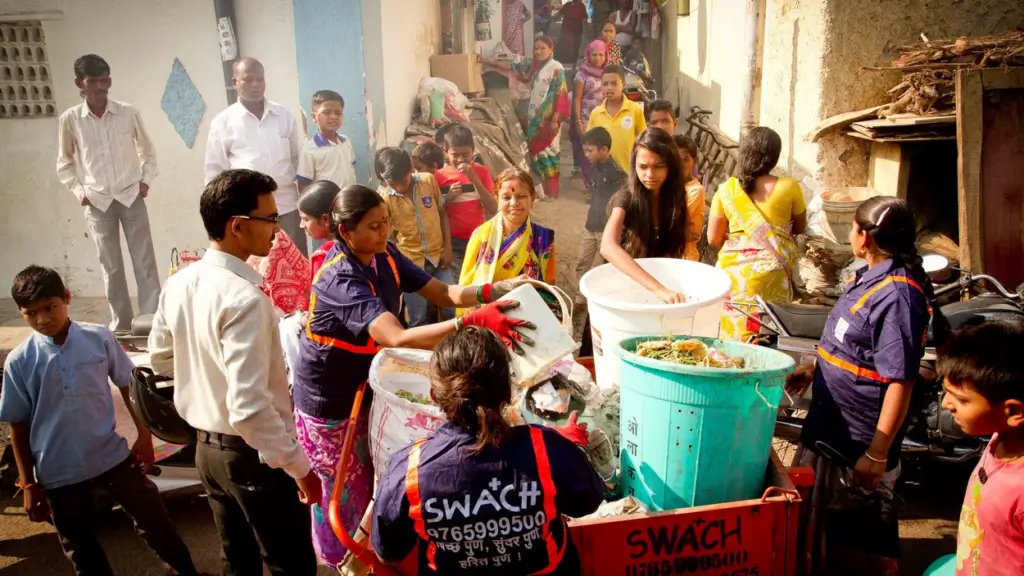
Pune offers another notable example, where the integration of waste picker cooperatives with municipal systems has enhanced door-to-door collection and segregation efficiency. The collaboration between the Pune Municipal Corporation and the SWaCH cooperative demonstrates how community-based organizations can strengthen service delivery while promoting social inclusion (Chikarmane & Narayan, 2015). Similarly, Indore’s success in achieving high levels of waste segregation and cleanliness rankings has been attributed to sustained citizen engagement, strict enforcement, and continuous information campaigns (Kumar et al., 2021).
Global experiences further reinforce the importance of community involvement. In Japan, strong social norms, community monitoring, and detailed waste segregation guidelines have resulted in high recycling rates and minimal landfill dependency (Wilson et al., 2015). In Brazil, participatory waste governance models incorporating informal recyclers have improved material recovery while addressing livelihood concerns (Dias, 2016). These cases demonstrate that inclusive and participatory frameworks can adapt effectively to diverse socio-economic contexts.
Impact of Citizen Engagement on Waste Segregation and Disposal
Empirical studies consistently show that citizen engagement has a direct and measurable impact on waste segregation and disposal outcomes. Households that receive regular information and participate in community-level initiatives are more likely to segregate waste correctly and comply with collection schedules (Guerrero et al., 2013). Behavioral interventions, such as door-to-door awareness campaigns and feedback mechanisms, have been found to be more effective than punitive approaches alone.
In the Indian context, citizen participation has contributed to improved segregation rates, reduced contamination of recyclable waste, and increased adoption of composting practices. Studies indicate that cities emphasizing community engagement experience lower transportation and disposal costs due to reduced waste volumes and higher recycling efficiency (Kaza et al., 2018). Moreover, participatory approaches help build long-term environmental responsibility, leading to sustained improvements in waste management performance.
However, the literature also cautions that participation must be continuous and inclusive to remain effective. Factors such as socio-economic disparities, lack of incentives, and inadequate institutional support can limit citizen involvement. Therefore, successful SWM systems require a combination of community engagement, supportive policies, and responsive governance structures.
Behavioural Change and Environmental Sustainability
Theoretical Perspectives: Theory of Planned Behavior and Social Norms Theory
Behavioural patterns play a decisive role in achieving environmental sustainability, particularly in solid waste management, where individual actions directly affect environmental quality. The Theory of Planned Behavior (TPB) explains pro-environmental behaviour by linking actual behaviour to behavioural intentions, which are influenced by personal attitudes, perceived social expectations, and the level of control individuals believe they have over performed the behaviour (Ajzen, 1991). In waste management research, this framework has been used to interpret household decisions related to waste segregation, recycling, and reduction practices.
Studies grounded in TPB indicate that individuals are more inclined to adopt sustainable waste practices when they view such actions positively and feel capable of performing them within existing systems (Tonglet et al., 2004). Perceived control is especially relevant where access to collection services, storage space, or information is limited. This highlights that behavioural change requires both motivation and enabling conditions provided by institutions and infrastructure.
Social Norms Theory complements this perspective by emphasizing the influence of shared behavioural expectations within a community. When environmentally responsible actions are widely practiced and socially reinforced, individuals are more likely to follow similar patterns to gain social acceptance or avoid disapproval (Cialdini et al., 1990). In the context of waste management, public visibility of segregation practices and collective monitoring can strengthen positive social norms and encourage long-term compliance.
Role of Awareness, Incentives, and Education
Awareness creation is a key driver of environmentally responsible behaviour, as it helps individuals understand the consequences of improper waste handling. Effective awareness initiatives therefore focus on both information dissemination and behavioural facilitation.
Educational interventions in schools and community settings have been found to influence not only individual attitudes but also household waste practices through knowledge sharing and role modeling (Evans et al., 2013). Programs that are locally relevant and culturally sensitive tend to generate higher levels of engagement and acceptance.
Incentives are often used to encourage participation in waste management programs. These may include economic benefits, recognition schemes, or service-related rewards. While incentives can successfully initiate behaviour change, studies caution that their impact may diminish over time if not supported by awareness-building and normative reinforcement (Ferrara & Missios, 2005).
Behavioural Interventions in Waste Management
Behavioural interventions are designed to convert environmental awareness into consistent practice. Common strategies include door-to-door outreach, distribution of standardized waste containers, feedback on waste generation patterns, and community-level monitoring systems
In the Indian context, behavioural change initiatives linked to urban cleanliness and waste segregation campaigns have demonstrated that continuous communication, local leadership involvement, and visible enforcement mechanisms can significantly improve public participation (Srivastava et al., 2020). Community recognition and peer influence have further contributed to normalizing environmentally responsible behaviour.
Overall, the literature suggests that behavioural change for environmental sustainability is a gradual process influenced by psychological, social, and institutional factors. Long-term improvements in waste management require integrated approaches that align behavioural insights with supportive policies, infrastructure, and sustained community engagement.
Solid Waste Governance in Andhra Pradesh
State-Level Initiatives and Programs
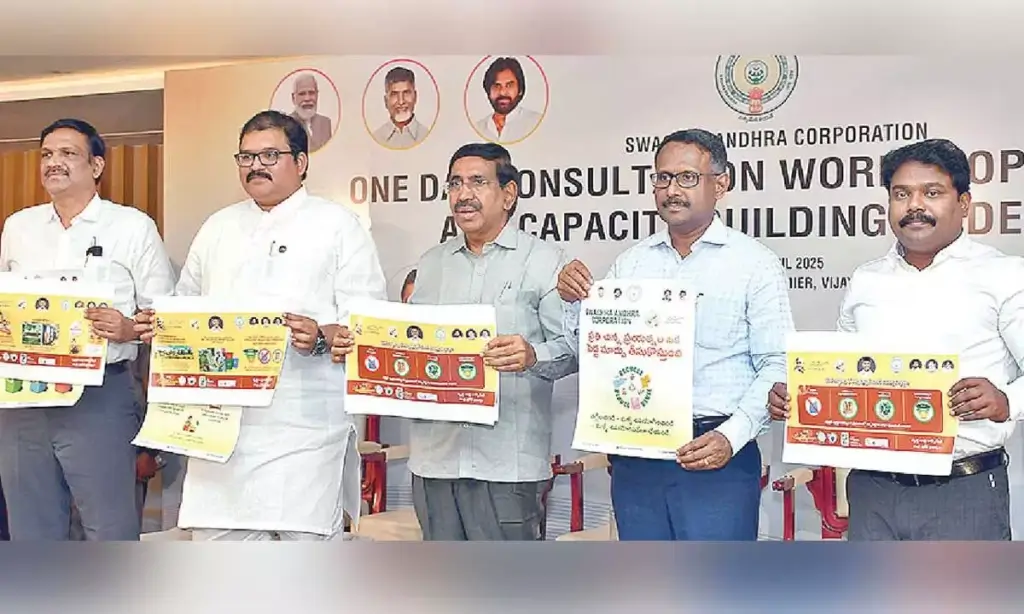
The Government of Andhra Pradesh has undertaken several initiatives to strengthen solid waste governance in response to increasing waste generation and environmental concerns. A key state-led effort has been the implementation of decentralized solid waste management models, particularly in urban local bodies and rural local governments. The state has emphasized door-to-door waste collection, segregation at source, and localized processing of biodegradable waste in alignment with national solid waste management policies (Government of Andhra Pradesh, 2018).
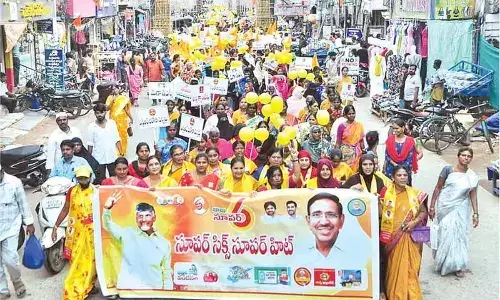
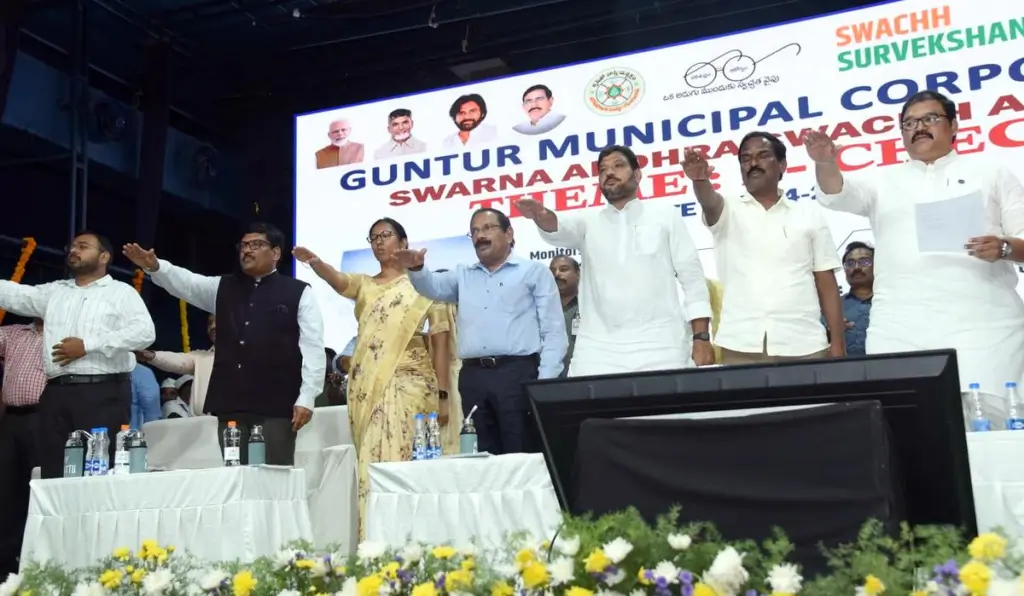
Andhra Pradesh has also integrated waste management objectives into broader sanitation and cleanliness campaigns, promoting community involvement and behavioral change. Programs focusing on zero-waste villages and wards encourage composting, recycling, and reduction of landfill dependency. Institutional mechanisms such as ward committees and sanitation task forces have been introduced to support monitoring and coordination at the local level (MoHUA, 2019).
In rural areas, the state has aligned solid waste management initiatives with broader rural sanitation programs, aiming to address waste handling through community-based systems. These efforts seek to reduce open dumping and burning by promoting household-level segregation and composting, supported by capacity-building and awareness activities (Swachh Andhra Corporation, 2020).
Performance of Urban and Rural Waste Management Systems
Urban waste management performance in Andhra Pradesh has shown measurable improvement in collection coverage and segregation practices in recent years. Many cities have achieved high levels of door-to-door collection and have introduced material recovery facilities and composting units to process segregated waste. Larger urban centers have benefited from increased financial and technical support, enabling the adoption of mechanized collection and scientific disposal practices (CPCB, 2021).
Despite these advancements, performance varies significantly across urban local bodies. Smaller municipalities often face constraints related to staffing, infrastructure, and operational funding, which affect service consistency and waste processing efficiency. In some areas, landfill dependence remains high due to limited processing capacity and delays in site development.
In rural regions, solid waste management systems are still evolving. While collection and segregation initiatives have been introduced in many gram panchayats, operational sustainability remains a challenge. Limited financial resources, inadequate technical expertise, and lower levels of public awareness have constrained the effectiveness of rural waste management efforts. Studies indicate that community participation is stronger where local leadership and continuous engagement are present (World Bank, 2018).
Identified Gaps in Governance and Participation
The literature identifies several gaps in solid waste governance in Andhra Pradesh that limit the effectiveness of existing systems. One major challenge is the uneven institutional capacity across urban and rural local bodies, leading to disparities in service delivery and regulatory enforcement. Coordination between state agencies, local governments, and private service providers also remains inconsistent, affecting planning and monitoring processes (CPCB, 2021).
Another critical gap relates to citizen participation. While awareness campaigns have increased knowledge about waste segregation, sustained behavioral change remains uneven across communities. Limited incentives, irregular feedback mechanisms, and insufficient integration of informal waste workers have reduced the potential impact of participatory approaches (Gupta et al., 2019).
Financial sustainability is an additional concern, as cost recovery mechanisms such as user charges are not uniformly implemented. The absence of reliable data systems for tracking waste generation and processing further complicates evidence-based decision-making. Overall, the literature suggests that strengthening solid waste governance in Andhra Pradesh requires enhanced institutional capacity, deeper community engagement, and more effective coordination across governance levels.
Research Gap
A review of existing literature on solid waste management in India reveals a substantial body of research addressing policy frameworks, technological options, and institutional arrangements at the national and state levels. However, empirical studies that specifically examine the behavioural dimensions of waste management—particularly community participation, household decision-making, and citizen engagement—remain limited. This gap is more pronounced in the context of Andhra Pradesh, where most available studies focus on infrastructure development and service delivery outcomes rather than behavioural drivers influencing waste segregation and disposal practices (Gupta et al., 2019; Srivastava et al., 2020).
While national initiatives and state programs emphasize public participation and behavioural change, there is insufficient empirical evidence assessing how communities in Andhra Pradesh perceive, adopt, and sustain these practices. Existing studies often rely on secondary data or generalized assessments, offering limited insight into local socio-cultural factors, awareness levels, and motivational barriers that shape community involvement in waste management systems (Kollmuss & Agyeman, 2002). As a result, the effectiveness of participation-based strategies remains inadequately documented at the local level.
Another significant gap lies in the lack of localized, data-driven assessments that capture variations between urban and rural contexts within the state. Andhra Pradesh exhibits diverse settlement patterns, administrative capacities, and socio-economic conditions, which influence waste generation and management behaviour. However, most studies adopt broad analytical scales, overlooking district- or community-level differences that are critical for designing targeted interventions (World Bank, 2018).
Furthermore, limited research integrates behavioural theories with empirical field data to evaluate the relationship between awareness, incentives, governance mechanisms, and actual waste management practices. The absence of such integrative approaches restricts the development of evidence-based policy recommendations tailored to Andhra Pradesh’s specific governance and participation challenges. Addressing these gaps through localized, primary data collection and behavioural analysis can contribute to a more nuanced understanding of community participation and support the formulation of context-sensitive solid waste management strategies.
Objectives of the Study
The present study is designed to contribute to a deeper understanding of solid waste management by examining the interconnections between community participation, behavioural change, and governance mechanisms in Andhra Pradesh. In line with contemporary research emphasizing participatory and behaviour-oriented approaches to environmental management, the study sets out the following objectives (Ajzen, 1991; UN-Habitat, 2010):
- To evaluate the extent and nature of community participation in solid waste management practices across selected urban and rural areas of Andhra Pradesh, with particular attention to household-level involvement in waste segregation and local waste handling activities.
- To analyze the influence of behavioural change on waste segregation, recycling, and disposal practices, focusing on factors such as awareness, attitudes, social norms, and perceived ease of participation among community members.
- To assess the performance and effectiveness of existing solid waste governance mechanisms, including institutional arrangements, service delivery systems, and regulatory enforcement at the state and local government levels.
- To identify key challenges and potential opportunities in strengthening community-led solid waste governance, considering socio-economic conditions, institutional capacity, and stakeholder coordination within the state.
- To propose evidence-based policy recommendations aimed at improving solid waste management outcomes by enhancing citizen engagement, behavioural interventions, and governance frameworks tailored to the local context of Andhra Pradesh.
These objectives collectively aim to generate actionable insights that can support more inclusive, efficient, and sustainable solid waste management strategies, while contributing to the broader literature on environmental governance and community participation.
Research Questions
The study is guided by the following research questions, which aim to investigate the dynamics of community participation, behavioural factors, and governance in solid waste management in Andhra Pradesh. These questions are framed to address both empirical and policy-oriented aspects of waste management (Ajzen, 1991; UN-Habitat, 2010):
- What is the extent and nature of community participation in solid waste management practices across urban and rural areas of Andhra Pradesh? This question seeks to explore household-level involvement, public engagement initiatives, and the role of local stakeholders in shaping waste management practices.
- What governance mechanisms support or hinder effective solid waste management in the state? This question investigates the role of institutional arrangements, local government policies, regulatory frameworks, and service delivery systems in shaping waste management outcomes.
- How can enhanced community participation improve solid waste governance outcomes? This question explores strategies for integrating citizen engagement into formal governance structures to improve compliance, efficiency, and sustainability in waste management practices.
These research questions collectively aim to provide a comprehensive understanding of the interplay between community behaviour, institutional governance, and sustainable waste management, thereby informing context-specific interventions and policy recommendations.
Hypotheses
Based on the research objectives and questions, the study formulates the following hypotheses to examine the relationship between community participation, behavioural factors, and solid waste management outcomes in Andhra Pradesh.
- Higher levels of community participation positively influence solid waste governance outcomes.
This hypothesis proposes that increased engagement of households and community groups in waste management activities—such as segregation, recycling, and local monitoring—can strengthen governance mechanisms by improving compliance, accountability, and service effectiveness. Empirical studies suggest that participatory approaches enhance institutional performance and contribute to more sustainable solid waste management practices (UN-Habitat, 2010).
- Behavioural awareness significantly improves household-level waste segregation practices.
This hypothesis assumes that individuals who possess higher awareness of environmental impacts, understand the importance of proper waste disposal, and perceive social or moral responsibility are more likely to engage in consistent segregation and recycling practices. Behavioural frameworks, including the Theory of Planned Behavior, emphasize that attitudes, knowledge, and perceived control are critical determinants of pro-environmental behaviour (Ajzen, 1991; Kollmuss & Agyeman, 2002).
- Effective governance mechanisms mediate the relationship between community participation and waste management efficiency.
This hypothesis suggests that the impact of community participation on the efficiency of solid waste management is influenced by the quality and effectiveness of governance structures. Well-functioning institutional arrangements, clear regulatory frameworks, and active monitoring mechanisms can amplify the positive effects of citizen engagement on operational outcomes, such as timely collection, proper disposal, and resource recovery. Prior studies indicate that the presence of strong governance systems enhances the effectiveness of participatory approaches in environmental management (UN-Habitat, 2010; Srivastava et al., 2020).
- Incentive-based and awareness-driven behavioural interventions increase public compliance with waste management rules.
This hypothesis posits that behavioural interventions—such as financial or non-monetary incentives combined with educational campaigns—can significantly enhance adherence to waste management practices at the household and community levels. Behavioural theories, including the Theory of Planned Behavior, highlight that awareness, perceived benefits, and social reinforcement are critical in motivating consistent environmentally responsible behaviour (Ajzen, 1991; Kollmuss & Agyeman, 2002). Empirical evidence also shows that communities respond positively when interventions address both intrinsic motivation (awareness, social norms) and extrinsic motivation (incentives).These hypotheses will be empirically tested using data collected from selected urban and rural communities in Andhra Pradesh, aiming to validate the role of participatory engagement and behavioural awareness in improving solid waste governance and sustainability outcomes. Testing these hypotheses will allow the study to examine not only the direct effects of community participation and behavioural interventions but also the intermediary role of governance structures in improving waste management outcomes in Andhra Pradesh.
Scope of the Study
The present study is designed to investigate solid waste management in Andhra Pradesh, with a particular focus on community participation, behavioural change, and governance mechanisms. The scope of the study is defined along geographical, thematic, and temporal dimensions, as outlined below.
- Geographical Scope: The study focuses on selected urban and rural areas within Andhra Pradesh. Urban areas include municipalities and cities where formal waste collection and governance systems are operational, while rural areas comprise gram panchayats with emerging community-based waste management initiatives. This selection allows for a comparative understanding of practices and participation levels across different settlement contexts (Swachh Andhra Corporation, 2020).
- Thematic Scope: The research emphasizes three interrelated themes: (i) community participation in waste management activities, including household-level segregation and engagement in local initiatives; (ii) behavioural change, encompassing awareness, attitudes, and social norms that influence waste handling practices; and (iii) governance mechanisms, covering institutional arrangements, policy implementation, and service delivery frameworks at the state and local levels (Ajzen, 1991; UN-Habitat, 2010).
- Temporal Scope: The study examines current solid waste management practices during the period of data collection, capturing ongoing behavioural patterns, governance processes, and community engagement. This temporal focus enables the assessment of contemporary challenges and opportunities in implementing participatory and sustainable waste management strategies.
- Exclusions: The study specifically excludes industrial, biomedical, and hazardous waste management. The focus remains on municipal solid waste generated by households, institutions, and small commercial establishments to maintain consistency in behavioural and community-level analysis (CPCB, 2021).
By clearly defining the geographical, thematic, and temporal boundaries, this study provides a focused and actionable assessment of solid waste management practices, highlighting the role of community participation and governance in promoting sustainable environmental outcomes.
Methodology
Research Design
The study adopts a descriptive and analytical research design to examine the patterns of community participation, behavioural factors, and governance mechanisms in solid waste management in Andhra Pradesh. A descriptive design enables the systematic documentation of current practices, participation levels, and institutional arrangements, while an analytical approach facilitates the examination of relationships among variables such as behavioural awareness, governance effectiveness, and waste management outcomes (Kothari, 2004). This combined design ensures both a comprehensive understanding of the current scenario and an empirical analysis of causal or correlational relationships.
Data Sources
The study employs a mixed-methods approach, drawing on both primary and secondary data sources to ensure robust and triangulated findings:
- Primary Data:
Data were collected directly from households and community stakeholders through structured questionnaires and interviews. Household surveys capture information on waste generation, segregation practices, awareness levels, and participation in local waste management initiatives.
- Secondary Data:
Secondary data include government reports, policy documents, and academic literature relevant to solid waste management in Andhra Pradesh and India. These sources provide contextual information on legal frameworks, state-level programs, and existing empirical evidence regarding community participation, behavioural interventions, and institutional arrangements (CPCB, 2021; Swachh Andhra Corporation, 2020).
The combination of primary and secondary data ensures a comprehensive understanding of both quantitative and qualitative aspects of solid waste management, enabling evidence-based conclusions and recommendations.
Sampling Technique
The study employs a stratified random sampling method to select households and community members from urban and rural areas of Andhra Pradesh. Stratification ensures that different population segments—such as households from municipalities, gram panchayats, and socio-economic categories—are proportionally represented. This technique enhances the representativeness of the sample and allows for more precise comparison between subgroups (Kothari, 2004).
The sample size is determined based on the population of selected areas and the study’s objectives, ensuring sufficient statistical power to detect meaningful relationships among variables. A larger sample within each stratum increases reliability and generalizability, while practical constraints such as accessibility and resource availability are considered in finalizing the sample (Creswell & Creswell, 2018).
Data Collection Tools
- Structured Questionnaires: Data from households and community members are collected using structured questionnaires that include Likert-scale items and close-ended questions. The questionnaire captures information on waste segregation practices, participation in community initiatives, behavioural awareness, and perceptions of governance effectiveness. Likert-scale items enable measurement of attitudes, opinions, and perceptions on a standardized scale, facilitating quantitative analysis (DeVellis, 2017).
- Field Observations: Field observations supplement survey data by documenting waste disposal behaviour, the condition of collection infrastructure, and local participation practices. Observational data provide contextual insights and help validate self-reported responses from survey participants (Patton, 2015).
Data Analysis Techniques
The collected data are analyzed using both descriptive and inferential statistical techniques:
- Descriptive Statistics: Basic statistical measures—including percentages, mean, and standard deviation—are used to summarize household-level participation, behavioural awareness, and perceptions of governance effectiveness. Descriptive statistics provide an overall understanding of trends, patterns, and variations across the study population (Field, 2018).
- Inferential Analysis: To examine relationships among variables, inferential techniques such as correlation and regression analysis are employed. Correlation analysis assesses the strength and direction of associations between community participation, behavioural factors, and governance outcomes. Regression analysis further explores predictive relationships, enabling the identification of significant determinants of household-level waste segregation and participation in waste management initiatives (Cohen et al., 2018).
Together, these techniques provide a comprehensive framework for analyzing both patterns and causal relationships in solid waste management practices, supporting evidence-based conclusions and recommendations.
Limitations of the Study
Despite careful research design and methodological planning, the present study is subject to certain limitations that may affect the scope and generalizability of the findings:
- Limited Geographical Coverage:
The study focuses on selected urban and rural areas of Andhra Pradesh, which may not fully represent the diverse socio-economic and cultural contexts of the entire state. Consequently, findings may have limited generalizability to regions with differing population densities, governance structures, or waste management practices (Creswell & Creswell, 2018). - Possibility of Response Bias:
Data collected through household surveys and structured questionnaires rely on self-reported information. Respondents may overreport socially desirable behaviours such as waste segregation or participation in community initiatives, which can introduce response bias and affect the accuracy of the results (Tourangeau et al., 2000). - Time and Resource Constraints:
The study is constrained by the time available for data collection and analysis, as well as logistical and resource limitations. These constraints may limit the sample size, the number of study sites, and the depth of field observations, potentially affecting the comprehensiveness of the study. - Variability in Behavioural Changes Over Time:
Household and community behaviours related to solid waste management may change over time due to factors such as awareness campaigns, policy interventions, or social influence. As the study captures practices during a specific period, longitudinal behavioural trends cannot be fully assessed (Ajzen, 1991).
Acknowledging these limitations is essential to interpret the findings with appropriate caution and to guide future research aimed at expanding geographical coverage, employing longitudinal designs, or integrating objective behavioural measures.
Empirical Study (Questionnaire / Survey)
Structure of the Questionnaire
The questionnaire is designed to collect primary data from households and community members in selected urban and rural areas of Andhra Pradesh. It is structured into distinct sections to capture socio-demographic information, behavioural patterns, and perceptions regarding solid waste management. The sections are as follows:
- Socio-Demographic Profile of Respondents:
This section gathers information on respondents’ age, gender, education level, occupation, household size, and income. Socio-demographic characteristics are critical for understanding patterns of participation, awareness, and compliance with waste management practices (Creswell & Creswell, 2018). - Awareness and Knowledge of Solid Waste Rules:
Respondents are asked about their knowledge of municipal solid waste management rules, such as segregation at source, collection schedules, and recycling guidelines. This section assesses the level of awareness and understanding of legal and policy frameworks that govern household waste management (MoHUA, 2019). - Household Waste Segregation and Disposal Practices:
This section explores the frequency, consistency, and methods of household-level segregation and disposal. Questions focus on whether households separate biodegradable and non-biodegradable waste, participate in composting or recycling, and comply with local collection systems (Gupta et al., 2019). - Level of Community Participation:
Respondents are asked about their involvement in community-based waste management initiatives, such as neighbourhood clean-up drives, local monitoring committees, and awareness programs. This section evaluates the extent and nature of citizen engagement and its role in supporting sustainable waste practices (UN-Habitat, 2010). - Perceptions of Local Governance Effectiveness:
This section measures respondents’ opinions regarding the effectiveness, transparency, and responsiveness of municipal and local governance mechanisms in managing solid waste. Questions assess satisfaction with collection services, enforcement of rules, and accessibility of support systems (CPCB, 2021).
The structured design of the questionnaire ensures comprehensive coverage of key variables while facilitating quantitative analysis through Likert-scale and close-ended questions. Field testing and validation of the questionnaire further enhance reliability and accuracy.
Data Presentation and Analysis
The data collected through structured questionnaires and field observations are presented and analyzed using both tabular and graphical formats to provide a clear and comprehensive view of survey findings. Tabular representations summarize numerical data such as percentages, frequencies, and mean scores for key variables, including household waste segregation practices, awareness levels, and community participation. Graphical tools such as bar charts, pie charts, and histograms are employed to visually illustrate patterns and trends across different respondent groups and geographical areas (Field, 2018).
The analysis includes both descriptive and inferential statistics. Descriptive statistics provide an overview of central tendencies, variability, and distribution of responses, while inferential statistics, including correlation and regression analyses, examine relationships between behavioural factors, community participation, and perceptions of governance effectiveness. This approach allows for the identification of significant predictors of household-level waste management practices and community engagement (Cohen et al., 2018).
Interpretation of key results highlights prevailing trends, such as the extent of compliance with waste segregation rules, differences between urban and rural practices, and the influence of socio-demographic factors on participation levels. Observed gaps and deviations from expected behaviour are also analyzed to understand underlying causes and potential areas for intervention.
Discussion of Findings
The discussion of findings integrates empirical results with the literature review, enabling a comprehensive understanding of solid waste management practices in Andhra Pradesh. The study compares observed patterns of community participation, behavioural awareness, and governance effectiveness with theoretical frameworks such as the Theory of Planned Behavior (Ajzen, 1991) and Social Norms Theory (Cialdini & Goldstein, 2004).
The discussion also highlights areas where governance mechanisms either support or hinder effective waste management, such as enforcement of collection schedules, accessibility of disposal infrastructure, and responsiveness to citizen feedback.
Implications for policy and governance are drawn from the findings. Evidence indicates that strengthening participatory approaches, combining awareness campaigns with incentive structures, and enhancing institutional coordination can improve compliance and sustainability in solid waste management. The discussion also emphasizes the importance of localized strategies tailored to urban and rural contexts to ensure effective implementation of waste governance initiatives (CPCB, 2021).
By linking empirical evidence with theoretical insights and practical governance considerations, the study provides a solid foundation for actionable recommendations aimed at improving community-led solid waste management in Andhra Pradesh.
References
- Government of India. (2016). Solid Waste Management Rules. Ministry of Environment, Forest and Climate Change.
- UN-Habitat. (2010). Solid waste management in the world’s cities. Earthscan.
- UN-Habitat. (2020). Waste-wise cities: Best practices in municipal solid waste management.
- World Bank. (2018). What a waste 2.0: A global snapshot of solid waste management to 2050. World Bank Publications.
- Annepu, R. K. (2012). Sustainable solid waste management in India. Columbia University.
- Central Pollution Control Board. (2020). Annual report on solid waste management in India. Government of India.
- Chaturvedi, B., Arora, R., & Nandan, A. (2015). Informal sector and recycling in India: Challenges and opportunities. Waste Management & Research, 33(9), 781–788. https://doi.org/10.1177/0734242X15587536
- Gupta, N., Yadav, K. K., & Kumar, V. (2019). A review on current status of municipal solid waste management in India. Journal of Environmental Sciences, 37, 206–217. https://doi.org/10.1016/j.jes.2015.01.034
- Ministry of Housing and Urban Affairs. (2019). Swachh Bharat Mission (Urban): Guidelines and progress report. Government of India.
- Sharholy, M., Ahmad, K., Mahmood, G., & Trivedi, R. C. (2008). Municipal solid waste management in Indian cities – A review. Waste Management, 28(2), 459–467. https://doi.org/10.1016/j.wasman.2007.02.008
- Barr, S. (2007). Factors influencing environmental attitudes and behaviors: A U.K. case study of household waste management. Environment and Behavior, 39(4), 435–473. https://doi.org/10.1177/0013916505283421
- Chikarmane, P., & Narayan, L. (2015). Integrating waste pickers into municipal solid waste management in Pune, India. WIEGO Policy Brief, 8, 1–12.
- Dias, S. M. (2016). Waste pickers and cities. Environment and Urbanization, 28(2), 375–390. https://doi.org/10.1177/0956247816657302
- Guerrero, L. A., Maas, G., & Hogland, W. (2013). Solid waste management challenges for cities in developing countries. Waste Management, 33(1), 220–232. https://doi.org/10.1016/j.wasman.2012.09.008
- Kaza, S., Yao, L., Bhada-Tata, P., & Van Woerden, F. (2018). What a waste 2.0: A global snapshot of solid waste management to 2050. World Bank.
- Kumar, S., Smith, S. R., Fowler, G., Velis, C., Kumar, S. J., Arya, S., Rena, R., Kumar, R., & Cheeseman, C. (2021). Challenges and opportunities associated with waste management in India. Royal Society Open Science, 4(3), 160764. https://doi.org/10.1098/rsos.160764
- Pretty, J. (1995). Participatory learning for sustainable agriculture. World Development, 23(8), 1247–1263. https://doi.org/10.1016/0305-750X(95)00046-F
- Suchitwa Mission. (2017). Decentralized solid waste management in Kerala. Government of Kerala.
- Ajzen, I. (1991). The theory of planned behavior. Organizational Behavior and Human Decision Processes, 50(2), 179–211. https://doi.org/10.1016/0749-5978(91)90020-T
- Cialdini, R. B., Reno, R. R., & Kallgren, C. A. (1990). A focus theory of normative conduct. Journal of Personality and Social Psychology, 58(6), 1015–1026. https://doi.org/10.1037/0022-3514.58.6.1015
- Evans, G. W., Otto, S., & Kaiser, F. G. (2013). Childhood origins of young adult environmental behavior. Psychological Science, 24(2), 277–284. https://doi.org/10.1177/0956797612463649
- Ferrara, I., & Missios, P. (2005). Recycling and waste diversion effectiveness: Evidence from Canada. Environmental and Resource Economics, 30(2), 221–238. https://doi.org/10.1007/s10640-004-5801-9
- Kollmuss, A., & Agyeman, J. (2002). Mind the gap: Why do people act environmentally and what are the barriers to pro-environmental behavior? Environmental Education Research, 8(3), 239–260. https://doi.org/10.1080/13504620220145401
- Srivastava, V., Ismail, S. A., Singh, P., & Singh, R. P. (2020). Urban solid waste management in the developing world with emphasis on India. Journal of Environmental Management, 261, 110192. https://doi.org/10.1016/j.jenvman.2020.110192
- Steg, L., & Vlek, C. (2009). Encouraging pro-environmental behaviour: An integrative review. Journal of Environmental Psychology, 29(3), 309–317. https://doi.org/10.1016/j.jenvp.2008.10.004
- Tonglet, M., Phillips, P. S., & Read, A. D. (2004). Using the theory of planned behaviour to investigate the determinants of recycling behaviour. Resources, Conservation and Recycling, 41(3), 191–214. https://doi.org/10.1016/j.resconrec.2003.11.002
- Government of Andhra Pradesh. (2018). State solid waste management strategy. Department of Municipal Administration and Urban Development.
- Swachh Andhra Corporation. (2020). Solid waste management initiatives in rural Andhra Pradesh. Government of Andhra Pradesh.
- Creswell, J. W., & Creswell, J. D. (2018). Research design: Qualitative, quantitative, and mixed methods approaches (5th ed.). Sage Publications.
- Kothari, C. R. (2004). Research methodology: Methods and techniques (2nd ed.). New Age International.
- Cohen, J., Cohen, P., West, S. G., & Aiken, L. S. (2018). Applied multiple regression/correlation analysis for the behavioral sciences (3rd ed.). Routledge.
- DeVellis, R. F. (2017). Scale development: Theory and applications (4th ed.). Sage Publications.
- Field, A. (2018). Discovering statistics using IBM SPSS statistics (5th ed.). Sage Publications.
- Patton, M. Q. (2015). Qualitative research & evaluation methods (4th ed.). Sage Publications.
- Cialdini, R. B., & Goldstein, N. J. (2004). Social influence: Compliance and conformity. Annual Review of Psychology, 55, 591–621. https://doi.org/10.1146/annurev.psych.55.090902.142015
+919458479236


Death is a Certain Uncertainty — the phrase may seem paradoxical, yet it encapsulates a profound truth. From the moment of birth, every individual carries… Continue reading

The Protection of Women from Domestic Violence Act, 2005 (PWDVA)1, is an exemplary legislation aimed at addressing domestic violence in India. Domestic violence was a matter of privacy… Continue reading

Access to justice is a foundational requirement for social inclusion and equitable development, both in legal doctrine and public policy2. Kerala, known for its progressive social metrics and history of mass… Continue reading