Breaking Down Barriers: The Law and Combating Gender Disparity
Author (s) Stuti Malik
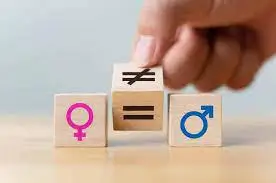
Image Source: Human Rights Careers
Table of Contents
Introduction
Gender-related issues are a pervasive and complex aspect of society, affecting people of all ages, backgrounds, and cultures. These barriers are prominent in many parts of the world, gender discrimination and unequal treatment based on gender identity continue to be significant challenges. These issues are not only harmful to individuals, but also have far-reaching consequences for society as a whole, leading to the perpetuation of poverty, economic instability, and social unrest.
Key Issues Related to Gender Equality
Unequal Access to Education
One of the key challenges faced by people on the basis of gender is unequal access to education. In many countries, girls are less likely to attend school and have lower levels of educational attainment than boys. This can limit their future job opportunities and earning potential.
Violence and Abuse
Another significant issue faced by people on the basis of gender is violence and abuse. It can also perpetuate cycles of poverty, as women who experience violence are more likely to struggle to access education, employment, and other resources that would allow them to improve their lives.
Pay Gaps
In many countries, “women are paid less than men for doing the same work, even when they have the same level of education and experience. This pay gap contributes to gender inequality and poverty, and can have a significant impact on women’s economic independence and ability to support themselves and their families.”
Role of Law in Promoting Gender Equality in India
India has enacted several laws to address various forms of gender discrimination and to promote equality between men and women. However, despite these laws, gender inequality remains a pervasive problem in India, and much work remains to be done to fully realize gender equality through the law.
Role –
Addressing Discrimination
The Indian constitution prohibits discrimination in employment on the grounds of gender, and several laws have been enacted to reinforce this principle. For example, the Equal Remuneration Act of 1976 prohibits discrimination in pay and other benefits based on gender, and “the Sexual Harassment of Women at Workplace (Prevention, Prohibition and Redressal) Act of 2013 provides legal protection against sexual harassment in the workplace.”
Preventing Violence
Violence against women, including domestic violence, sexual assault, and human trafficking, is a serious problem in India. The Indian Penal Code provides for several offences related to violence against women, including rape, sexual assault, and domestic violence. The Protection of Women from Domestic Violence Act of 2005 provides a range of legal remedies for women who experience domestic violence.
Accessto Education
The law also plays a critical role in ensuring that women have equal access to education and employment opportunities. For example, the Right to Education Act of 2009 guarantees the right to free and compulsory education for all children in India, regardless of gender, and the Government of India has launched several programs aimed at increasing access to education for girls.
Challenges –
Lack of enforcement of existing laws. Many laws aimed at promoting gender equality are not effectively enforced, and women continue to face discrimination and violence with little or no legal recourse.
Shortage of legal services for women, which makes it difficult for women to access the justice system and seek redress for gender-based discrimination and violence.
Lack of public awareness of women’s rights and the laws that protect those rights. Many women in India are unaware of the laws that protect them from discrimination and violence, and they may not know where to turn for help.
Judicial Pronouncements relating to Gender Equality in India
There have been several landmark case laws in India that have helped to further the cause of gender equality and address various forms of gender-based discrimination. Vishaka v. State of Rajasthan (1997): This case was the first in India to address the issue of sexual harassment in the workplace. The Supreme Court of India declared that sexual harassment is a violation of the right to equality and the right to life and liberty guaranteed under the Indian Constitution. The Court laid down guidelines for preventing and addressing sexual harassment in the workplace.
Joseph Shine v. Union of India (2018): This case dealt with the issue of marital rape and the rights of women in India. The Supreme Court of India declared that the exemption in the Indian Penal Code that allows a husband to have sexual intercourse with his wife without her consent is unconstitutional and violates the right to privacy and dignity guaranteed under the Indian Constitution.
K.S. Puttaswamy v. Union of India (2017): This case dealt with the right to privacy and the privacy rights of women. The Supreme Court of India declared that the right to privacy was a fundamental right guaranteed under the Indian Constitution and held that privacy is essential for the dignity, autonomy, and self-determination of individuals, including women.
Major Findings and Conclusion
The fight against gender-related issues requires a multi-faceted approach, involving efforts to address the root causes of discrimination and inequality, as well as support for those who have been affected by these issues. This includes initiatives aimed at promoting gender equality in education, such as programs to support girls’ education, as well as efforts to prevent violence against women and girls, such as laws to protect their rights and access to support services.
To achieve meaningful change, it is also important to challenge and change harmful gender norms and stereotypes that reinforce gender inequality. This can involve educating people about gender equality and working to shift cultural attitudes and beliefs about gender roles and expectations which can help to challenge and change harmful gender norms and stereotypes.