This paper is written by authors Neethi Nair and Nandini N..
Abstract
Industrialisation and improved technologies have evolved humanity into a global geophysical force. In the era of urbanisation, rampant consumerism and waste generation have become the two faces of the same coin. The journey of the evolution of Municipal Solid Waste (MSW) management policies in India embarks from traditional, decentralized practices to more formalized, technology-driven, and policy-regulated systems. This shift has been necessitated by rapid urbanization, population growth, and changing consumption patterns, which have also contributed to a significant increase in waste generation, including non-biodegradable materials. This research offers a comprehensive understanding of evolving waste management legislation. The society has witnessed a clear progression from a purely sanitation-focused approach to a more extensive, resource-oriented, and environmentally sustainable model, moving towards a circular economy where waste is viewed as a resource. However, certain shortcomings still require technological interventions, infrastructure development, and behavioural change to attain financial sustainability.
Keywords – Municipal Solid Waste Management policies, sustainable, disposal, legal frameworks, SWM Rules
Introduction
Nature has curated such a robust system where the output of one organism is transmuted into fundamental raw material for other beings. Matter and energy are constantly circulating throughout the environment. Persistent anthropogenic activities pose a threat and have disrupted the planet’s natural harmony. Further, the paradigm cultural shift to flush syndrome (flush-and-forget mindset) and use-and- throw approach have aggravated the waste management issues (Szaky, 2014). With the increasing population, the responsibility of supervising public health and sanitation was bestowed on municipal authorities and urban local bodies. These authorities often struggle with waste management due to a complex interplay of systemic, structural, and behavioural challenges such as NIMBY syndrome (Mani & Singh, 2016). Poor coordination, lack of accountability, fragmentation, understaffing, and corruption further allow non-compliance to persist (Da et al., 2008). Poor public response, lack of community participation, and sidelining the informal recyclers have further aggravated the inefficiency of the system (Dave, 2022). Additionally, inconsistent enforcement lacked credibility and hindered compliance. The past few decades have witnessed the consistent upgrading of policies and the legal framework on environment and waste management. Rather than controlling at the source end, the policy’s focus was on controlling the discharge end.
Here’s a breakdown of the key stages and policies:
Ancient Practices (Pre-Industrialization)
Environmental protection and sustainable development are never new concepts for the Indian subcontinent. Most of the civilizations practised decentralized and sustainable ways of waste management. Since agriculture was the major occupation, emphasis was given on composting, reuse and minimal waste generation, often intertwined with cultural and religious principles. The rituals prioritize a circular approach where biodegradable waste (such as flower garlands, leaves, and food offerings) is frequently composted or submerged in water bodies. Ancient scripts such as the Vedas, Puranas, and the Manusmriti embrace nature in every possible way and caution against the disasters arising from environmental degradation. The great philosopher Kautilya (300 BC), in his book Arthashastra emphasised the preservation and judicial use of the resources for maintaining the ecological balance and discussed the penalties and punishment for the violators. Kautilya’s philosophy is paralleled in contemporary environmental protection and pollution control laws, such as Articles 51-A and 48-A of the Indian Constitution, which mandate environmental protection as a fundamental duty. As a result, India has become one of the nations to include environment-related clause in its constitution. During the British era, Chapter XIV of the Indian Penal Code (IPC), 1860, titled “Offences Affecting the Public Health, Safety, Convenience, Decency, and Morals,” lists several provisions that indirectly relate to waste management and environmental protection. While the IPC doesn’t explicitly use the term “waste management,” it does criminalize certain acts that contribute to environmental degradation or public nuisance.
Early Regulations (Mid-20th Century to 1980s)
Post-independence, with the emergence of industrialization and a population boom, the composition and magnitude of the waste changed drastically. Due to inadequate infrastructure and a lack of scientific expertise, the majority of waste ends up either in landfills, usually located on the outskirts of the city, or is subjected to open burning. Multiple localized efforts were initiated, but they lacked a comprehensive national framework. To promote composting of urban solid waste, local bodies were given loans by the Ministry of Food and Agriculture in the 1960s. During the Fourth Five-Year Plan (1969-74) state government started setting up municipal solid waste composting units. The First Committee on Urban Waste was formed in 1972, which identified best practices among the Southeast Asian countries. Section 133 of the Criminal Procedure Code (CrPC), 1973, deals with “Conditional Order for Removal of Nuisance” and empowers an Executive Magistrate to take action against public nuisances. In 1974, the composting units of urban cities with a population exceeding 0.3 million were revived by the Government of India. A High-Power Committee was constituted during the Fifth Five-Year Plan (1975), which made 76 significant recommendations on all eight areas of waste management. These initiatives were to improve public health and sanitation. The Water (Prevention and Control of Pollution) Cess Act, 1977, was enacted to levy and collect a cess (tax) on water consumed by local authorities for waste management activities such as composting, maintaining sanitary landfills, etc.
Formalization and Organisational Measures (1980-2000)
Till the early 1980s, waste management was never a concern, and the authorities failed to comply with air pollution and water contamination arising from dumping. Post the Bhopal Gas tragedy incident, the Ministry of Forest and Environment (now Ministry of Forest and Environment & Climate Change) legislated an umbrella act, the Environment (Protection) Act 1986, which provided a broad legal framework for environmental protection, under which specific waste management rules such as the Hazardous Waste (management and handling) Rules (1989), the Bio-medical Waste (management & handling) Rules (1988) and the Recycled Plastics (manufacture and usage) Rules (1989) were other laws introduced to help curb the generation of waste and save environment. The 12th Schedule of the Indian Constitution was added by the 74th Constitutional Amendment Act, 1992, in which solid waste management and environmental protection were among the 18 functions of the urban local governments. Due to inefficient management of waste and widespread occurrence of communicable diseases, a High-Power Committee on urban solid waste management in India, called the Bajaj Committee, formed under the Chairmanship of Prof. J.S. Bajaj in 1994, which gave several recommendations such as door-to-door collection, waste segregation, ward-level recovery centers and recycling units. It also proposed a user fee for waste collection and a tax on products generating waste.
In 1995, the Central Public Health and Environmental Engineering Organisation (CPHEEO), a technical wing under the then Ministry of Urban Development and Poverty Alleviation, played a central role in formulating standards, guidelines, and manuals for urban water supply, sanitation, and SWM (CPHEEO, 2005). Their paper laid the groundwork for later national guidelines and the Municipal Solid Wastes (Management and Handling) Rules, 2000. A high-level committee titled “Committee on Solid Waste Management” was formed in January 1998, chaired by Shri Asim Burmon (Municipal Commissioner, Calcutta Municipal Corporation) after a Public Interest Litigation (Writ Petition No. 888 of 1996) in the Supreme Court covered mandates such as reviewing existing urban solid waste practices; proposing hygienic processing and disposal technologies; improving formal/informal sector roles; and recommending regulatory, financial, and administrative reforms (PIB,1999). Court interventions, such as the Almitra Patel v. Union of India case (1996), played a crucial role in pushing the government to address the burgeoning waste problem and led to the formulation of specific rules for municipal solid waste (Yadav, 2017). The Ministry of Urban Development (now part of the Ministry of Housing and Urban Affairs) set up a Technology Advisory Group (TAG) in 1999 to support urban local bodies (ULBs) in identifying and adopting appropriate technologies. In 1999, the Ministry of Environment and Forests (MoEF) (now MoEF & CC) issued the draft rules titled “Municipal Solid Wastes (Management and Handling) Rules, 1999”. In addition, the Recycled Plastics Manufacture and Usage Rules, 1999, were among the first central regulations in India directly targeting the growth and impact of plastic waste. They provided a regulatory framework for the manufacture, sale, and use of recycled plastic products.
Institutionalization of MSW Management and Legal Framework (2000–2010)
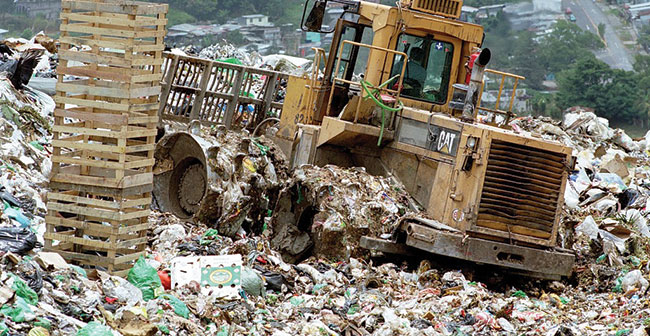
In 2000, the Municipal Solid Waste (Management and Handling) Rules were introduced, mandating municipalities to establish systems for waste collection, segregation, and disposal. Nevertheless, these policies lack practical methods for reducing waste through landfill gas capture, recycling, and waste-to-energy facilities.
The Batteries (Management and Handling) Rules, 2001, notified on 16 May 2001(S.O. 432(E)), under the Environment (Protection) Act, 1986, specifically targeted lead-acid batteries, focusing on the roles and responsibilities of producers, importers, dealers, recyclers, and consumers. I also included provisions like importer registration, tracking returns, and managing end-of-life.
The Biological Diversity Act, 2002, primarily focuses on the conservation of biological resources, sustainable use of their components, and fair and equitable sharing of benefits arising out of their use. While it’s not a waste management law per se, it intersects with waste management in a few critical and emerging areas, especially in the context of biological hazards, invasive species, and bioresource utilization. The Biological Diversity Act indirectly influences waste management practices, especially when:
- Waste impacts ecologically sensitive areas.
- Waste streams involve biological material with potential commercial use.
- Local or traditional ecological knowledge is involved in bio-waste solutions.
Compliance with both waste laws (like SWM Rules, and BMW Rules) and the Biodiversity Act is essential when biological components are involved.
The Plastic Waste (Management and Handling) Rules, 2003, marked an early attempt by the Government of India to regulate the environmental impacts of plastic waste. The 2003 amendment primarily focused on strengthening the rules issued earlier (notably the Recycled Plastics Manufacture and Usage Rules, 1999). They established basic norms on prohibition, labelling, minimum thickness, and registration — setting standards for environmental health, public safety, and improved management that would later be built upon by subsequent legislation.
The Technology Advisory Group (TAG) on Solid Waste Management reviewed current practices and submitted a report to the Government of India in May 2005 by the Ministry of Urban Development (via CPHEEO), which recommended new technologies and oversaw their implementation across states and urban local bodies (ULBs). The major policy outcomes were tax relief, PPP promotion, model byelaws, and infrastructure investment in waste systems. It played as a key instrument in shaping the Jawaharlal Nehru National Urban Renewal Mission (JNNURM), launched in December 2005, a flagship program by the Government of India aimed at modernizing and improving urban infrastructure and governance in cities across the country, especially for water supply, sewerage, and solid waste management.
By the early 2000s extreme weather events, rising CO2 levels (~367 ppm), mounting global temperature and issues linked to the release of methane gas at landfills attracted the attention of policy makers, setting a broad framework, the National Environment Policy (NEP) 2006 that outlined principles like polluter-pays, decentralized governance, public participation, and the need to treat environmental issues (including waste) at scale and upstream in planning, promoting sustainable practices.
The National Urban Sanitation Policy (NUSP) was launched by the Government of India in November 2008. The major goals of this policy were to eliminate open defecation by providing universal access to safe and hygienic sanitation facilities, and ensuring proper collection, treatment, and disposal of human excreta and sewage to prevent public health hazards.
The E-Waste (Management and Handling) Rules, 2008, were introduced by the Government of India under the Ministry of Environment and Forests. These rules were aimed at regulating the environmentally sound management, collection, storage, dismantling, recycling, and disposal of e-waste generated from electrical and electronic equipment. These rules apply to all manufacturers, producers, consumers, bulk consumers, collection centers, dismantlers, recyclers, and dealers involved in the management of electrical and electronic equipment waste.
The National Action Plan for Climate Change (NAPCC), launched by the Government of India in June 2008, is a comprehensive strategy designed to address the challenges of climate change while advancing India’s developmental goals. The Prime Minister’s Council on Climate Change actively guided the formulation of this plan. The main objective was to promote sustainable development by focusing on climate change mitigation and adaptation while ensuring economic growth and poverty reduction. It includes eight national missions, each addressing a specific area of climate change impact or mitigation. Among them, the National Mission on Sustainable Habitat aimed to promote energy efficiency in urban planning, building codes, vehicle fuel economy, and the integration of solid and liquid waste management.
Integration and Decentralized approach (2010–2015)
The Plastic Waste (Management and Handling) Rules, 2011, were notified by the Ministry of Environment and Forests, Government of India, replacing the earlier Recycled Plastics Manufacture and Usage Rules, 1999 (including amendments in 2003). These rules provide a regulatory framework for plastic waste management in India with a focus on improving municipal solid waste systems and involving waste pickers and informal sectors.
The E-Waste (Management and Handling) Rules, 2011, were notified by the Government of India under the Environment (Protection) Act, 1986, and came into effect on May 1, 2012. These rules were India’s first dedicated framework for the environmentally sound management of electronic waste and laid down comprehensive responsibilities for various stakeholders, including producers, consumers, bulk consumers, collection centers, dismantlers, and recyclers.
In 2013 a draft revision of the previous 2000 rules was proposed by the Ministry of Environment and Forests. This draft, titled “Draft Municipal Solid Waste (Management & Handling) Rules, 2013,” was circulated for public comments and sectoral consultation as part of the ongoing process to update and strengthen India’s MSW regulations in response to implementation gaps and evolving challenges (Swachh Bharat Mission, 2025).
On October 2, 2014, on the 150th anniversary of Mahatma Gandhi’s birth, India’s greatest tribute was the Swachh Bharat Mission (SBM), a nationwide initiative aimed at achieving a “Clean India”. The SBM was launched to eliminate open defecation and improve solid waste management across urban and rural India. Under this initiative, more than 100 million toilets were constructed to reduce open defecation in rural areas. The key features of SBM include:
- Construction of household, community, and public toilets to stop open defecation.
- Scientific management of municipal solid waste, through initiatives like door-to-door collection, source segregation, waste processing, and the establishment of recycling centers.
- Special campaigns and policy interventions for plastic and construction/demolition waste management, as well as inclusion of innovative recycling and upcycling projects.
- Extensive public awareness and behavioral change campaigns.
SBM has helped make over 6 lakh villages ODF, achieved substantial increases in waste collection and segregation in urban areas, and continues to integrate new technologies and citizen engagement for enhancing urban and rural sanitation and waste management outcomes.
Modernisation and Compliance through New Regulations (2016- 2020)
The Solid Waste Management Rules, 2016, notified by India’s Ministry of Environment, Forest and Climate Change (MoEFCC) on April 8, 2016, represent a comprehensive regulatory framework for the handling, segregation, processing, and safe disposal of solid wastes in the country. These rules superseded the earlier Municipal Solid Waste (Management and Handling) Rules, 2000, broadening the scope and strengthening enforcement mechanisms. The rules apply to every urban local body, outgrowth in urban agglomerations, census town, notified industrial township, Indian Railways area, airports, ports, defence establishments, SEZs, state/central government institutions, and places of religious/historical importance. They also apply to all waste generators, including residential, institutional, and commercial entities, except those covered under other specialized rules (e.g., hazardous, biomedical, e-waste). Major features include segregation at source, door-to-door collection, user charges and fines, inclusion of the informal sector, infrastructure development, inclusion of bulk generators etc.
The Plastic Waste Management Rules, 2016, notified by the Government of India under the Environment (Protection) Act, 1986, superseded the earlier Plastic Waste (Management and Handling) Rules, 2011. These rules provided a comprehensive framework for the effective management of plastic waste to minimize its environmental impact across the country. A uniform national standard for plastic carry bags of minimum thickness (>40 microns) was prescribed. Additionally, foodstuffs, pharmaceuticals, and drinking water were prohibited from being packed in recycled or compostable plastic materials (MOEF&CC, 2016).
The E-Waste (Management) Rules, 2016, notified by the Government of India under the Environment (Protection) Act, 1986, came into force on October 1, 2016. These rules superseded the earlier E-Waste (Management and Handling) Rules, 2011 and established a comprehensive framework for the environmentally sound management of e-waste, covering collection, storage, transportation, dismantling, recycling, disposal and promoted shared responsibility among stakeholders.
Bio-Medical Waste Management Rules, 2016 came into effect on March 28, 2016, aiming to improve biomedical waste management practices across India with stronger regulatory control, environmental safeguards, and public health protections, replacing the Bio-Medical Waste (Management and Handling) Rules, 1998. It mandated segregation at the source, disposal through authorized biomedical waste treatment facilities and regular monitoring of healthcare facilities to ensure compliance with disposal norms (Gupta & Rathore 2025).
The Construction and Demolition (C&D) Waste Management Rules, 2016 established a regulatory framework specifically for the management of waste generated from the construction, remodeling, repair, and demolition of civil structures. The rules recommend mandatory procurement of recycled C&D materials in government and municipal contracts (around 10-20%), subject to quality control. The Bureau of Indian Standards and Indian Roads Congress developed codes for the use of recycled C&D materials, especially in construction and roads.
The Hazardous and Other Wastes (Management and Transboundary Movement) Rules, 2016, aimed at ensuring the safe and environmentally sound management of hazardous and other wastes. These rules govern the generation, storage, packaging, transportation, recycling, treatment, disposal, import, export, and transboundary movement of hazardous and other wastes in compliance with international treaties such as the Basel Convention (CPCB, 2019).
Sustainable Practices and Technological Integration (2020–Present)
The Battery Waste Management Rules, 2022, replaced the Batteries (Management and Handling) Rules of 2001, which established a contemporary, all-encompassing regulatory framework requiring manufacturers to handle all battery waste responsibly and adhere to stringent reuse and recycling requirements. These more recent regulations are the current legal norm for battery management in India and were effective from August 24, 2022.
The E-Waste (Management) Rules, 2022, which came into effect on April 1, 2023, replaced the earlier 2016 rules. These rules expanded coverage to 106 types of electrical and electronic equipment (EEE). It also introduced a new Extended Producer Responsibility (EPR) regime and mandated registration of manufacturers, producers, refurbishers, and recyclers in a portal developed by the Central Pollution Control Board (CPCB). The Second Amendment Rules, 2023, added safe and sustainable refrigerant management for refrigeration and air-conditioning product waste. It also made stricter norms for bulk consumers. Further amendments in 2024 allowed EPR certificate trading and facilitated CPCB to set a price range for these certificates from 30% to 100% of the environmental compensation value (CPCB, 2024).
The Draft Solid Waste Management Rules, 2024 were released, proposing stricter regulations and the introduction of a ‘plastic-for-coupon’ scheme to encourage plastic waste collection. The rules expand upon and amend the Solid Waste Management Rules, 2016, with the intent to address critical gaps, foster circular economy principles, and enhance sustainability across both urban and rural areas. It mandates stricter segregation at the source (80% target by 2030) and the use of advanced recycling technologies, along with measures to address newer waste streams like e-waste and construction plastics. It recognizes and formalizes informal waste handlers, integrating their activities within regulated frameworks for improved environmental and social outcomes. The Central Government is empowered to provide financial support to states for implementation. A transition timeline is set, with the rules expected to come into force from October 1, 2025, allowing preparation time for all stakeholders. These rules advocate for digital integration, and transparency, and establish stringent penalties for non-compliance, including operational suspensions.
Conclusion
India’s approach to waste management has evolved significantly over the decades, transitioning from rudimentary practices to a more structured and policy-driven framework. The journey of municipal solid waste management policies in India reflects a growing recognition of the environment and public health crisis posed by waste, with a continuous effort to create a more systematic, sustainable, and inclusive framework for waste management. Future action plans should focus on further integrating informal waste workers, collaborating for public-private partnerships, and promoting technological innovations for waste tracking and management.
References
- Amendment Rule 2003. Plastic Waste (Management and Handling) Rules, 2003. Maharashtra Pollution Control Board. Available at: https://www.mpcb.gov.in/sites/default/files/plastic-waste/rules/Amendrule2003.pdf (Accessed on 5 August 2025).
- Central Pollution Control Board. (2019). Enforcement framework for effective implementation of Hazardous and Other Wastes (Management and Transboundary Movement) Rules, 2016. Ministry of Environment, Forest & Climate Change, Government of India. Retrieved from https://www.cpcb.nic.in/uploads/hwmd/Guidelines_HW_1.pdf
- Central Pollution Control Board. (2024, January 23). Frequently asked questions (FAQ) under E-Waste (Management) Rules, 2022. New Delhi: CPCB. Retrieved [August 7,2025], from https://cpcb.nic.in/uploads/Projects/E-Waste/FAQ_ewaste_23012024.pdf
- Central Public Health and Environment Engineering Organization (CPHEEO) ( 2005). Report of the technology advisory group on solid waste management. Ministry of Urban Development; Government of India, 2-3.
- Da, Z., Asnani, P. U., Chris, Z., & Ebastian, A. S. M. (2008). Improving municipal solid waste management in India. A Sourcebook for Policy Makers and Practitioners. International Bank for Reconstruction and Development/World Bank, 1, 818.
- Dave, D. (2022). Journey of waste management regulations in India: a historical account. International Journal of Basic and Applied Sciences, 11(4).
- Devi, S. (2022). KAUTILYA’S PHILOSOPHY ON SUSTAINABLE DEVELOPMENT. Surender Mor, 21.
- Down To Earth. (2024). Union Government adopts key CSE recommendations in new Draft Solid Waste Management Rules 2024. Retrieved [August 7, 2025], from https://www.downtoearth.org.in/waste/draft-solid-waste-management-rules-centre-incorporates-cses-recommendations-on-waste-utilisation-and-circularity.
- Gupta, V., Goel, S., & Rupa, T. G. (2016). Good governance and solid waste management: An overview of legislative regulations in India. Journal of Business and Management Studies, 2(1), 1-9.
- Gupta, H. H., & Rathore, S. P. (2025). Solid waste management laws in India: A critical analysis of legal and policy frameworks. International Education & Research Journal, 11(1). https://ierj.in/journal/index.php/ierj/article/view/4007
- Madhav, R. (2010). Untapped Potential: Securing livelihoods dependent on ‘Waste’. A Review of Law and Policy in India. WIEGO Final Report.
- Mahadevia, D. (2008). Solid waste management in Indian Cities: status and emerging practices. Concept Publishing Company.
- Mani, S., & Singh, S. (2016). Sustainable municipal solid waste management in India: A policy agenda. Procedia Environmental Sciences, 35, 150-157.
- Ministry of Environment, Forest and Climate Change. (2016). Solid Waste Management Rules, 2016. Government of India. Retrieved [August 6, 2025],from https://investmeghalaya.gov.in/resources/homePage/17/megeodb/rules/Solid_Waste_Management_Rules.pdf
- Ministry of Environment, Forest and Climate Change. (2016, March 18). Plastic Waste Management Rules, 2016 (G.S.R. 320(E)). Gazette of India. Retrieved from https://www.hspcb.org.in/uploads/laws/PWM_Rules.pdf.
- Planning Commission. (1976). Fifth Five Year Plan (1974–79). Government of India.https://www.niti.gov.in/sites/default/files/2023-08/5th_fyp.pdf.
- Press Information Bureau, Government of India. (1999, May 13). Committee on Municipal Solid Waste Management constituted by the Supreme Court. Press Information Bureau. Retrieved on [August 1, 2025],from https://archive.pib.gov.in/archive/releases98/lyr99/l0599/r130599.html
- Priti, & Mandal, K. (2019). Review on evolution of municipal solid waste management in India: practices, challenges and policy implications. Journal of Material Cycles and Waste Management, 21(6), 1263-1279.
- Ramachandra, T. V., & Bachamanda, S. (2007). Environmental audit of municipal solid waste management. International Journal of Environmental Technology and Management, 7(3-4), 369-391.
- Ray, M., & Rahaman, M. (2016). An overview of legal framework for waste management system in India with special allusion to SWM rules, 2016. Int J Interdis Multidis Stud, 4(1), 13-19.
- Rengerla, A., & Angamuthu, P. (2025). Evolving dynamics of municipal solid waste management in India: a comprehensive review of status, challenges, opportunities and policy innovations. Waste Disposal & Sustainable Energy, 1-24.
- Swachh Bharat Mission. (n.d.). Trash Transforming Urban India. Retrieved [6 August 6, 2025], from https://sbmurban.org/back-to-beginning
- Swachh Bharat Mission – Gramin. (n.d.). Department of Drinking Water and Sanitation, Ministry of Jal Shakti. Retrieved [August 6, 2025], from https://swachhbharatmission.ddws.gov.in/
- Szaky, T. (2014). Outsmart waste: The modern idea of garbage and how to think our way out of it. Berrett-Koehler Publishers.
- Vilas, M. A. (2014). Research in Chemistry and Environment.
- Yadav, M. (2017). Municipal solid waste management: Challenges and legislative framework in India. International Journal of Advance Scientific Research and Engineering Trends (IJASRET), Vol. 2(4), 43-46.


About the Author