The world is experiencing a time when conflict is prevalent in many countries. Unfortunately, civilians caught amid these conflicts often bear the brunt of the situation. They risk losing their lives or being left stranded without help.
It is in these situations that the right to be evacuated becomes crucial. This right ensures that civilians are protected during times of war or conflict. However, the implementation of this right has its limitations, which raises concerns about its effectiveness.
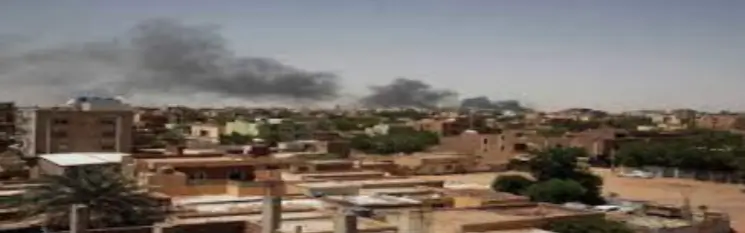
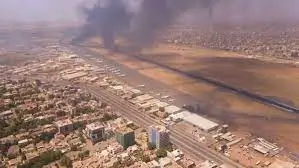
Amid conflict, the safety and well-being of citizens become paramount. States are responsible for taking swift and effective action to protect their citizens in times of crisis. The recent Sudan conflict has been tested this responsibility as countries worldwide scramble to evacuate their respective citizens from the conflict zone and put them to safety.
However, while some countries have been able to evacuate their citizens successfully, others with limited resources have been left struggling to locate and rescue their own people. What’s worse, countries with the resources to help have shown no interest in lending assistance to evacuate citizens of other states who are presently stranded in Sudan.
Despite repeated messages and shout-outs from these individuals that their states have forgotten them, these countries with the means to help fold their arms and look the other way.
This lack of empathy and omissions towards other civilians in danger is disheartening and goes against the very principles of humanity. It raises important questions about the limitations and scope of the right to be evacuated during times of conflict and whether this right should extend beyond the confines of international humanitarian law.
It is worth noting that while humanitarian law is applicable in times of the international and non-international armed conflict, its limitations have caused problems when implementing the right to be evacuated. The overemphasis on these two circumstances, combined with difficulties in identifying and classifying them, has rendered the law useless in real-life situations.
While protections are enshrined in various international instruments, including the Geneva Conventions and Additional Protocols, there is a clear gap in addressing the duty of other states not directly involved in the conflict.
In other words, the law of armed conflict focuses more on the duties and obligations of the belligerent states rather than the whole state, particularly concerning evacuation and ensuring civilians’ safety.
This is where international human rights law comes in. While it mainly applies in non-conflict situations, it also partially applies in conflict situations
(particularly to the Civilians populations and partially to combatants). Human rights law recognizes the right to life, liberty, and security of persons for all individuals. Using words like “Everyone” or “No one” in international instruments emphasizes the universal nature of these rights.
For instance, Article 3 of the Universal Declaration of Human Rights states, “Everyone has the right to life, liberty and security of person.” Yet, despite these rights’ universality, many countries prioritize the safety of their citizens over those of other states.
The debate over the extraterritorial obligation of states regarding the human rights is far from settled. However, states should not turn a blind eye to the plight of other civilians in times of crisis. The right to be evacuated is not limited to citizens of a particular state, as all people deserve to be protected from harm.
It is the hypocritical for states to claim to uphold the rights inherent by virtue of being human beings while simultaneously abandoning those who are not their citizens. This is a time when humanity should unite and work together to ensure that all civilians, regardless of their nationality, are safe from harm.