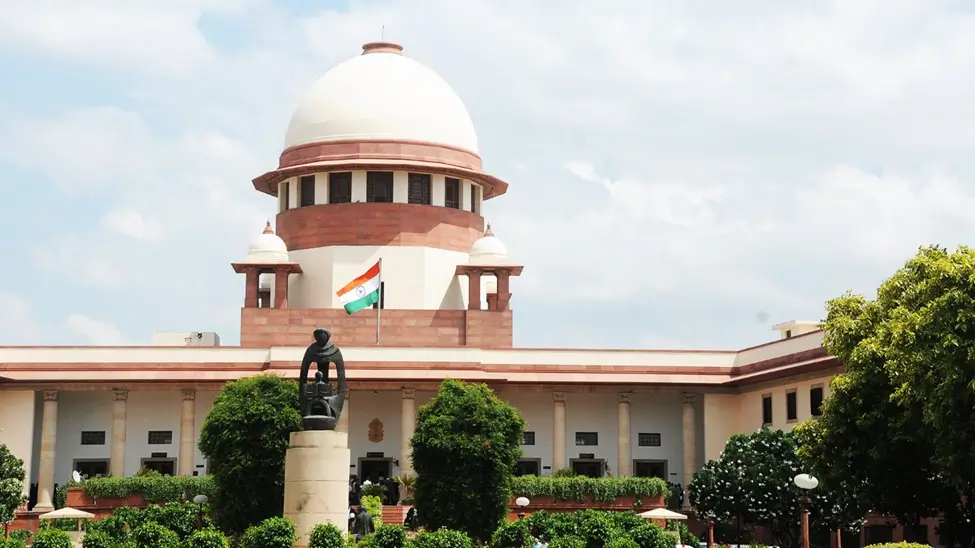
In a recent decision, the Supreme Court of India declared that “an employee’s entitlement to an annual raise cannot be refused simply because they retire the next day after earning it.” The ruling of the Supreme Court has brought relief to thousands of government employees who have been denied their lawful increase owing to retirement.
The verdict, which was handed out on April 12, 2023, has significant ramifications for Indian government employees’ rights. In this post, we’ll look at the case’s specifics and how the Supreme Court’s ruling may have an impact.
BACKGROUND OF THE CASE
In this instance, a government worker retired on March 31, 2022, after one year of employment. The employee was due an annual raise on March 31, 2022, but the government refused to give him one because he retired the next day. The High Court upheld the government’s judgement in response to the employee’s appeal of the government’s decision. The Supreme Court subsequently heard the employee’s appeal, and it ultimately overturned the High Court’s judgement.
The case brings attention to the problem of annual raises for Indian government employees. A year of service is required before an employee is eligible for an annual increase, per the guidelines. However, retiring employees are sometimes refused their legal raise on the basis that they left their jobs the following day. Employees have argued that their entitlement to an increment is a vested right that cannot be removed arbitrarily, which has made this topic contentious for many years.
The case also emphasises how crucial natural justice is in determining administrative decisions. The Supreme Court ruled that the employee’s right to an opportunity to be heard before the government made its judgement was violated by the natural justice standards. Employees must be given a chance to be heard before any unfavourable decisions are made against them, according to the court.
The judgement of the Supreme Court has significant ramifications for the rights of government workers in India. The ruling affirms the idea that an employee’s right to an annual raise is a vested privilege that cannot be removed without cause. The decision is likely to have a big impact on how government agencies approach the yearly increments problem. It is anticipated that going forward, the government will use greater caution when refusing raises to departing workers and will make sure that natural justice is always upheld.
THE SUPREME COURT’S RULING
The Supreme Court ruled that a worker’s right to a yearly increment is a vested right and cannot be taken away just because the worker retires the next day. The employee had earned the raise after serving a full year, according to the court, and the government’s refusal to grant it was arbitrary and in violation of the employee’s rights.
The government’s decision, the court found, went against natural justice principles since the employee wasn’t given a chance to be heard before the government made its choice.
IMPLICATIONS OF THE JUDGMENT
The judgement of the Supreme Court has significant ramifications for the rights of government workers in India. The ruling affirms the idea that an employee’s right to an annual raise is a vested privilege that cannot be removed without cause.
The ruling further emphasises how crucial natural justice is when making administrative decisions. Employees must be given a chance to be heard before any unfavourable decisions are made against them, according to the court.
The decision is likely to have a big impact on how government agencies approach the yearly increments problem. It is anticipated that going forward, the government will use greater caution when refusing raises to departing workers and will make sure that natural justice is always upheld.
CONCLUSION
The Supreme Court’s ruling is a positive milestone for Indian government workers. The ruling protects workers’ rights and makes sure they won’t be denied their due raise just because they’re retiring the next day.
The ruling also highlights how crucial natural justice is in administrative deliberations, and it is likely to have a big impact on how government agencies approach the problem of annual increments.
The Supreme Court’s ruling benefits the rule of law and labour rights overall. It serves as a reminder that the government must behave justly and within the bounds of the law, and that employee rights must always be upheld.